



Lilies
Lilies, with their elegance and captivating fragrance, are among the most treasured flowers in the world. These exquisite blooms don't just grace gardens and bouquets — they also carry a cultural and symbolic significance that spans the ages. In this article, we'll explore the fascinating beauty of lilies, their many species, their longevity, the origin of their name, and their distinctive scent. If you'd like to surprise a loved one with a beautiful bouquet, Persa Flores is always here for you.
Growing Regions
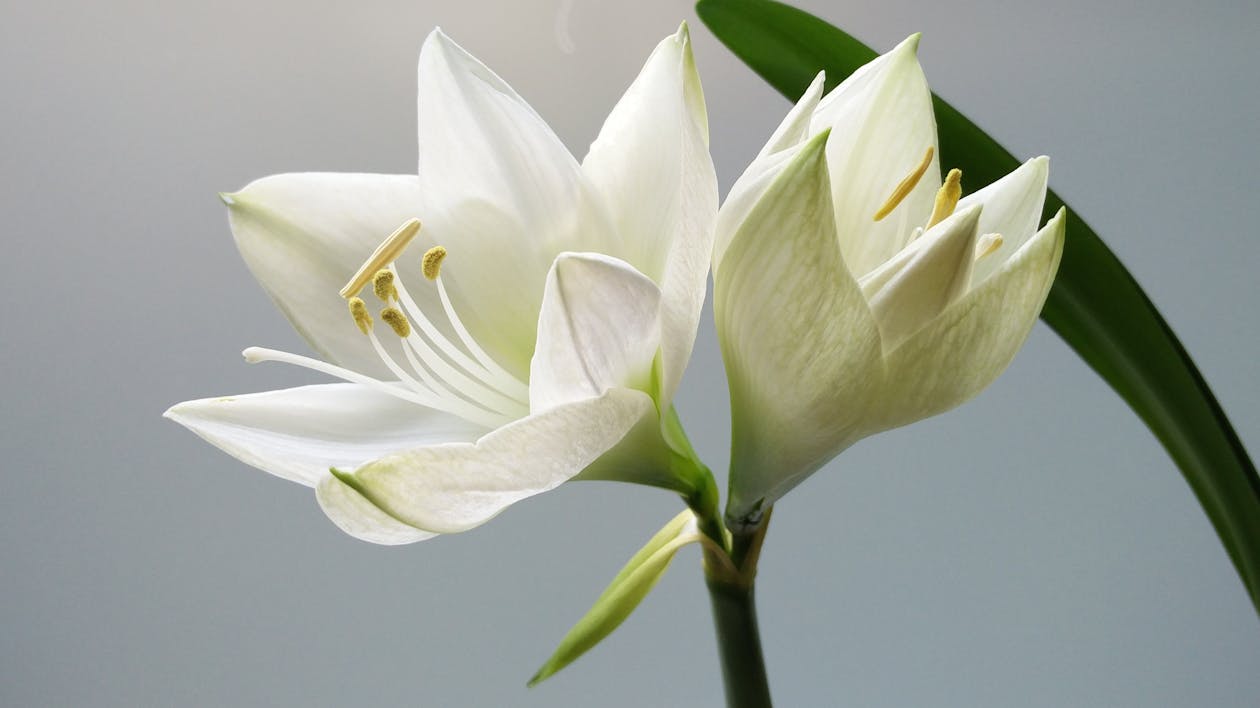
Lilies are truly cosmopolitan flowers, found across multiple continents and climates. These versatile, large-growing plants have adapted to a wide range of environments around the world, giving rise to a remarkable variety of species and subspecies. Below, we take a closer look at where lilies grow and how their adaptation to different surroundings has shaped their diversity.
Europe
In Europe, lilies are an integral part of the flora across many regions. Species such as the Madonna lily (Lilium candidum) are found throughout the Mediterranean, while yellow and orange lilies (Lilium bulbiferum) are common in alpine meadows. Lilies also have a strong presence in ornamental gardens and parks across the continent, where their beauty and fragrance are cherished by gardening enthusiasts.
Asia
Asia is a region rich in lily diversity. From Oriental lilies (Lilium orientale) with their intensely perfumed blooms, to the daylily (Hemerocallis), known for its fleeting yet stunning single-day flowers, lilies are an essential part of the Asian landscape. Japan in particular is celebrated for its lily varieties and cultivation, and the daylily is considered an emblematic flower in China.
North America
In North America, lilies hold a special place in both nature and culture. Tiger lilies (Lilium lancifolium) are native to this region and are instantly recognisable by their orange blooms with dark spots. In the United States, the Easter lily (Lilium longiflorum) is a symbol of the Easter season and is widely grown in both gardens and greenhouses.
Other Temperate Areas
Lilies are by no means limited to these regions. They can be found in many other temperate areas around the globe, including Australia and New Zealand, where they have also found their ecological niche.
The diversity of climates and soils across these regions has given rise to a wide variety of lily species, each adapted to its own specific conditions. Some lilies prefer moist, shaded soils, while others thrive in sunny, dry spots. This adaptability has driven the evolution of different sizes, colours, and fragrances, making lilies truly fascinating plants for botany and gardening enthusiasts alike.
Their presence across multiple cultures and continents throughout history has also contributed to the rich symbolic and cultural significance associated with lilies worldwide.
Different Species of Lilies
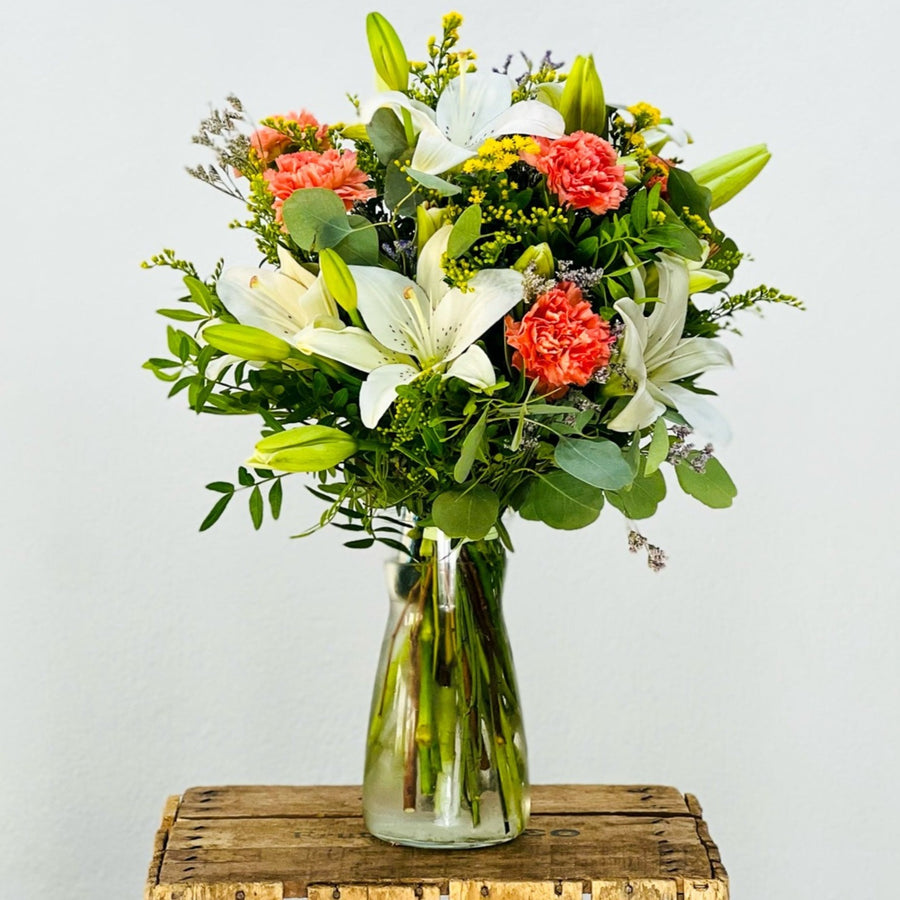
There are numerous lily species, each with its own unique characteristics. Among the best-known species are:
Lilium Longiflorum
Lilium longiflorum, commonly known as the Easter lily, is one of the most iconic and beloved lily species in the world of gardening and floristry. Originally from the Pacific Islands, this lily has become a prominent feature in gardens and floral arrangements across many parts of the world.
Key Features:
-
Large, Fragrant White Flowers: The most distinctive trait of the Easter lily is the beauty and size of its blooms. The flowers are large, trumpet-shaped, with pure white petals that radiate elegance and purity.
-
A Sweetly Enveloping Fragrance: The Easter lily is prized not only for its appearance but also for its intoxicating scent. The fragrance is sweet and enveloping, filling any space with a truly delightful aroma.
Association with the Easter Season
The name "Easter lily" comes from its typical blooming time in spring, which coincides with the Holy Week and Easter celebrations in many parts of the world. These white lilies symbolise the purity and hope associated with the resurrection of Jesus Christ in the Christian tradition.
Lilium Lancifolium

Lilium lancifolium, known by several names including tiger lily, trumpet lily, and orange lily, is a species that stands out for its dramatic and colourful appearance. Native to Asia, this lily has captivated flower lovers around the world with its unique and vibrant beauty.
Key Features:
-
Orange Flowers with Dark Spots: The most striking feature of this lily is its intense orange blooms, adorned with dark spots or streaks. These contrasting markings give the flowers an exotic, eye-catching appeal.
-
Height and Elegance: The tall, slender stems of the tiger lily can reach considerable heights, adding an impressive vertical dimension to gardens. The elegance of its flowers contrasts beautifully with the robustness of its stems.
Use in Gardens and Floral Arrangements
The tiger lily is a popular choice for adding a vibrant, exotic note to gardens. Its lush, colourful appearance makes it ideal for creating striking focal points. It is also used in floral arrangements, often combined with other flowers to add a dramatic and festive touch to bouquets.
Both the Easter lily and the tiger lily are outstanding examples of the diversity and beauty found among lily species. Each brings its own charm and meaning to gardens and floral arrangements, making them firm favourites with gardeners and flower lovers worldwide.
How Long Do Lilies Last?
Under the right conditions, lilies can live for several years and bloom season after season. Their longevity depends largely on the care they receive, including proper root maintenance and choosing the right location for growing them.
The Origin of the Name
The word "lily" comes from the Latin term "lilium." This name has been in use for centuries and reflects the flower's majestic appearance and natural grace. Lilies have been revered across many cultures and are often associated with purity and renewal.
Lily Fragrance and Care
One of the most distinctive characteristics of lilies is their unmistakable perfume. The fragrance of lilies varies by species and can range from soft and sweet to more intense and spicy notes. The Casablanca lily, for example, releases a sweet, enveloping scent, while the Oriental lily has a stronger, more spiced fragrance.
Other Names and Bouquet Combinations

Lilies are known by various names depending on the region and the specific variety. This linguistic diversity adds a fascinating cultural dimension to the appreciation of these flowers around the world. Some of the regional and common names for lilies include:
-
Azucenas: In many parts of Latin America, lilies are known as "azucenas." This term is used as a general name for lilies and is widely accepted across Spanish-speaking countries. The word "azucena" evokes the beauty and purity of these flowers, reflecting their cultural significance.
-
Lirios del Perú: In Peru, lilies are also called "lirios del Perú" or "lirios peruanos" (Peruvian lilies). This regional name highlights the presence of lilies in Peru's native flora and their place in local culture.
-
Lirios de Santa Rita: In some parts of Mexico, lilies are known as "lirios de Santa Rita." This name honours Saint Rita of Cascia, a saint venerated in the Catholic tradition, and is associated with purity and grace.
Bouquet Combinations
Lilies are a popular choice for combining in bouquets and floral arrangements as gifts thanks to their beauty, fragrance, and wide range of colours. When paired with other flowers such as roses, carnations, tulips, and daisies, truly stunning arrangements can be created. Here's more about some of these combinations:
-
Lilies and Roses: The combination of lilies and roses is a classic and elegant choice. The contrasting colours of these flowers — such as white lilies with red roses — create romantic and sophisticated arrangements. In short, lilies are flowers that dazzle both with their beauty and their unique fragrance.
-
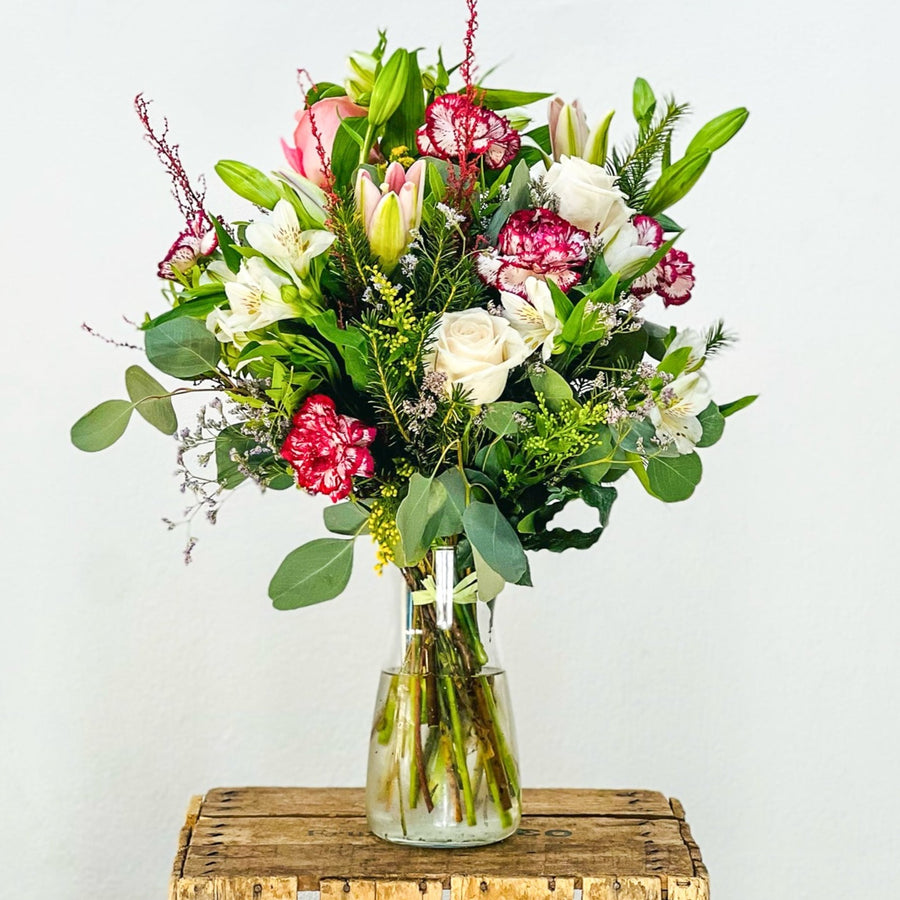
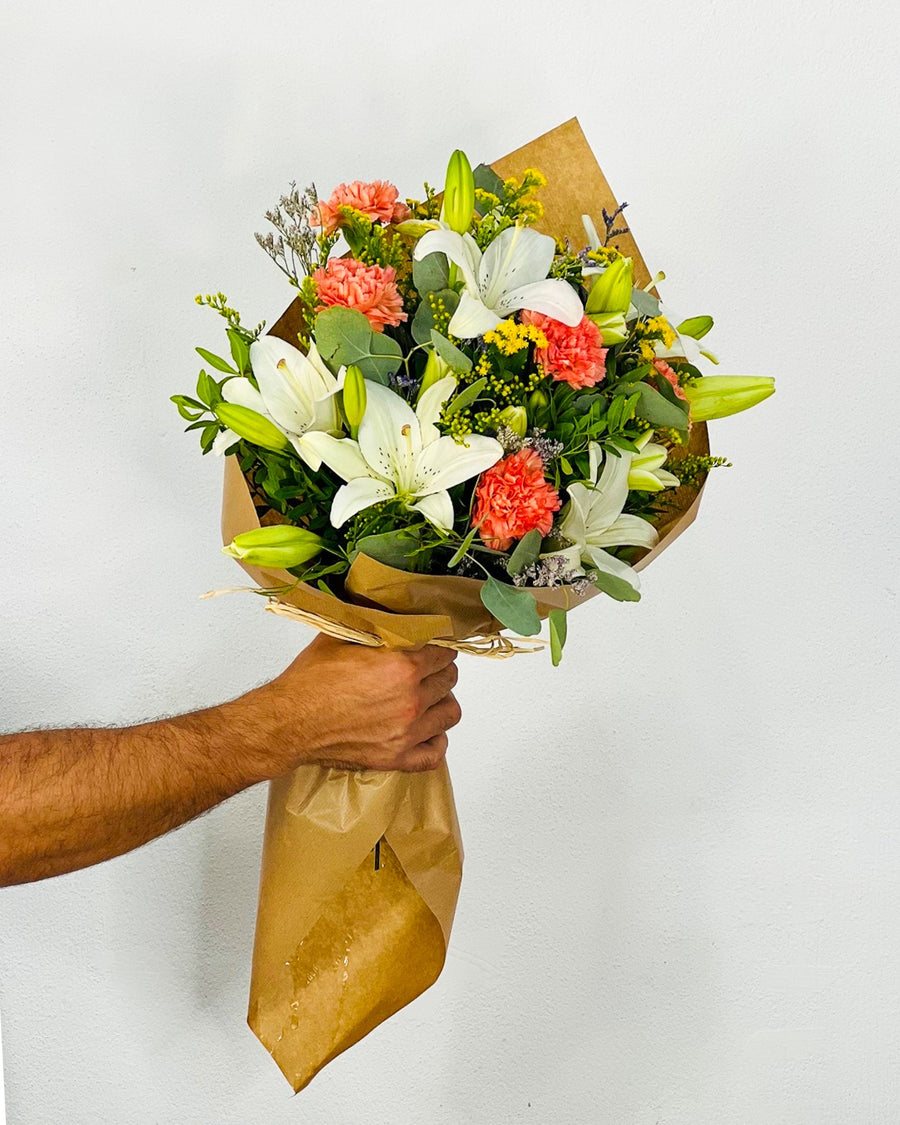
Lilies and Carnations: Mixing lilies with carnations creates a wonderful blend of colours and textures. Carnations, with their ruffled petals, complement the elegance of lilies beautifully.
-
Lilies and Tulips: Combining lilies with tulips delivers a burst of vibrant colour. Together in a bouquet, these flowers can brighten any space and add a fresh, springtime feel.
With a history rich in symbolism and a wide variety of species, these elegant, long-lasting blooms remain a popular choice in gardens and floral arrangements around the world. Their name evokes purity and grace — qualities they embody perfectly in nature. The next time you see a lily, take a moment to appreciate its splendour and the meaning it brings to our lives and culture.
Order Lily Bouquets Delivered to Your Door
At Persa Flores we offer a selection of lily bouquets with home delivery across Spain. Lilies pair beautifully with roses to create elegant flower bouquets, and they are a much-loved choice as a birthday gift or as flowers for funeral services.
Discover why giving a lily bouquet is always a winning choice, or explore the difference between Asiatic and Oriental lilies.